Asya Animeleri: Asian animation, from Stormy Night, The Snow Child and Monkeys Catch the Moon to Pokémon: The Arceus Chronicles and Battle Doll: Angelic Layer, and where to watch it
228 animated series and films from China, Japan and Korea, 1961 to 2026, chosen for the whole household.
Popular titles
View all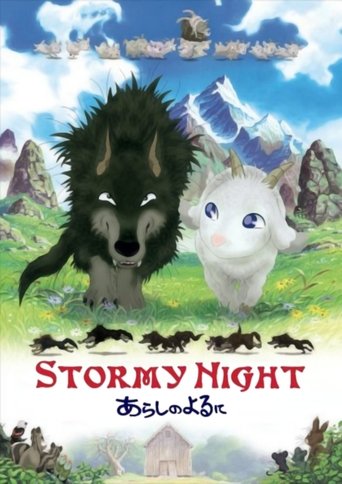 AnimeMovie
 Anime4 ep
 AnimeMovie
 AnimeMovie
 Donghua40 ep
Latest additions
View all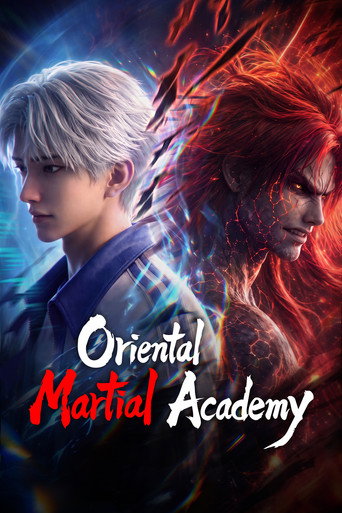 Donghua25 ep
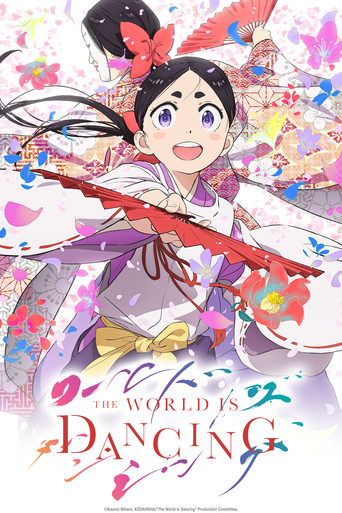 Anime13 ep
 DonghuaMovie
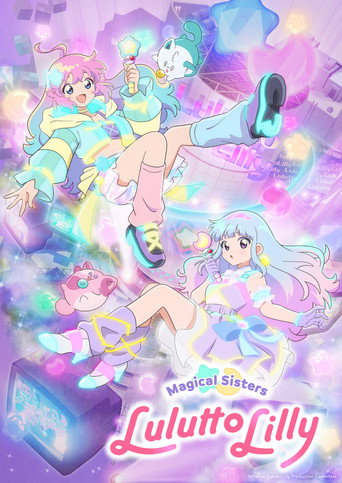 Anime14 ep
 Donghua26 ep
 AnimeMovie
 Donghua26 ep
 Anime50 ep
 Donghua40 ep
 Donghua16 ep
 Donghua10 ep
 Donghua12 ep
 DonghuaMovie
 Anime12 ep
 Anime80 ep
Donghua
View all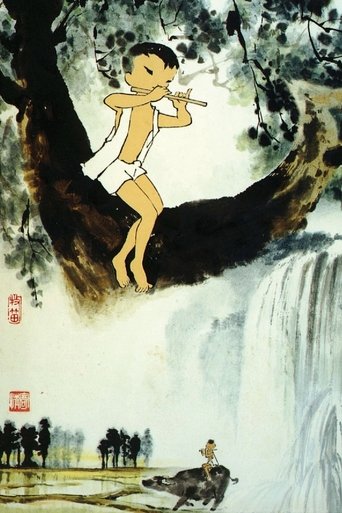 DonghuaMovie
 DonghuaMovie
 DonghuaMovie
 DonghuaMovie
 DonghuaMovie
 Donghua16 ep
 DonghuaMovie
 Donghua66 ep
 Donghua14 ep
 DonghuaMovie
Films
View all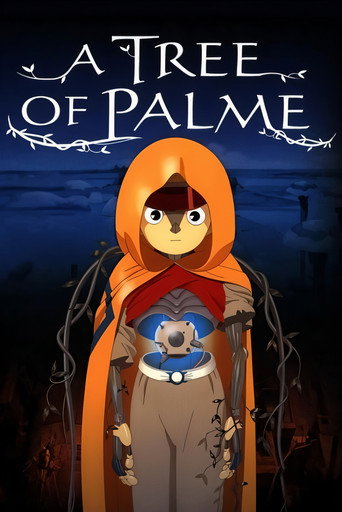 AnimeMovie
 AnimeMovie
 AnimeMovie
 AnimeMovie
 AnimeMovie
Asian animation for the whole household: the Asya Animeleri guide
Asya Animeleri: Asian animation, from Stormy Night, The Snow Child and Monkeys Catch the Moon to Pokémon: The Arceus Chronicles and Battle Doll: Angelic Layer
Three countries in East Asia have each built an animation tradition of their own. Japan calls its work anime, China calls its work donghua, and Korea has a lively industry that grew up beside both and now sends its preschool heroes around the world. The three share a great deal: a love of serial storytelling, a taste for fantasy rooted in old legends, and a readiness to make cartoons about anything at all, from chess and basketball to opera and tea. Asya Animeleri is a guide to 228 animated titles from these three countries, 163 series and 65 films, made between 1961 and 2026. Each has its own page, its story, its year and genres, and a Watch now button that leads to the official services carrying it in your country.
The catalogue has been chosen for the whole household. Every title was read through by hand, and the selection favours children's series, comedies, gentle fantasies, stories of school, sport and music, and the classic short films of the Shanghai studio. Horror, stories built on cruelty, and titles made for adult audiences were left out. The most famous series of all already have guides of their own elsewhere, so this collection looks a little further along the shelf, to the films and series that deserve a second look and to the ones that younger viewers can enjoy safely.
This guide explains the three traditions, walks through the lists one by one, suggests a first month of viewing, and ends with questions and answers. Every title named here has a page on Asya Animeleri, and a click on its name opens that page.
Three traditions
The word donghua simply means moving pictures, and Chinese animation is nearly a century old. Its golden years came at the Shanghai Animation Film Studio, founded in 1957, where artists set themselves the task of making films that looked like Chinese art and stood apart from every other studio in the world. They animated ink-wash painting, so that brushstrokes seemed to breathe; they animated cut paper in the manner of shadow theatre and folk window decorations; they animated folded paper and carved puppets. Twenty of those short and medium-length films are here, and they are the oldest and in some ways the finest things in the collection.
After a quieter period, Chinese animation returned in strength in the 2000s. Television series for children came first, with huge domestic audiences. Then, with the growth of streaming services, came a wave of serials adapted from online novels and games, drawn in three-dimensional computer animation and released week by week. Today China produces hundreds of animated series a year. Asya Animeleri lists 113 Chinese titles: 54 films and 59 series.
Anime needs less introduction. Japanese television animation began in 1963, and by the 1970s the studios of Tokyo were producing dozens of series a year for every age and taste. The 87 Japanese titles here run from Miracle Girl Limit-chan in 1973 to releases of 2026. They include family films, magical-girl stories, robot adventures, sports series, comedies about cats and penguins, and a group of recent series about music and the stage.
Korean animation is the youngest of the three as an export. For decades Korean studios drew much of the world's television animation under contract for others, and built a deep pool of skill. Since the 2000s they have made their own series, above all for preschool and primary-school children, and several of these are now broadcast in more than a hundred countries. Twenty-eight Korean titles are gathered in a list of their own.
On every poster across the site, a small badge in the corner shows where a title comes from: Donghua for China, Anime for Japan and Aeni for Korea, which is the word Koreans use for their own animation. A second label at the foot of the poster shows whether the title is a film or a series, and how many episodes a series has.
The Shanghai classics
Begin with The Buffalo Boy and His Flute, made in 1963 by Te Wei and Qian Jiajun. There are twenty minutes of it and hardly a word is spoken. A boy takes his water buffalo out to graze, plays his bamboo flute, falls asleep under a tree and dreams that the animal has wandered away into the mountains; only the sound of the flute brings it back. The whole film is painted in ink and water in the manner of the great painter Li Keran, whose buffalo it borrows, and the animators found a way to keep the soft, bleeding edges of brush on paper in every frame. It remains one of the most beautiful short films ever made.
The Deer's Bell, from 1982, uses the same ink-wash method to tell of a girl and her grandfather who nurse an injured fawn back to health in the mountains and then must let it return to its herd. Monkeys Catch the Moon, from 1981, is cut paper with torn, furry edges: a troop of monkeys see the moon in the sky, try to reach it by climbing on each other's shoulders, and then find it shining in a pool below. Its director, Zhou Keqin, turned a four-word proverb into ten minutes of pure rhythm and comedy.
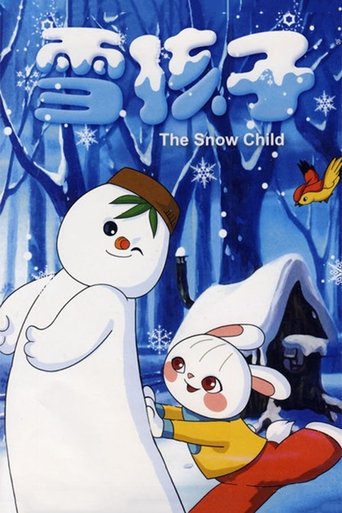
Ginseng Baby, made in 1961 by Wan Guchan, one of the founding brothers of Chinese animation, is the earliest title in the catalogue. A poor boy who works for a greedy landlord is befriended by the spirit of the ginseng root, a plump child in a red apron, and together they outwit the master. The Snow Child, from 1980, is known to every Chinese family: a mother rabbit builds a snow child to keep her little one company, and the snow child proves a true friend when the house is in danger. It is a tender film with a bittersweet ending, and parents may like to watch it together with small children.
The studio returned again and again to the great novel Journey to the West. The Monkey King and the Fruit of Immortality retells the chapter in which Sun Wukong and his companions visit a temple with a wondrous tree, and The Monkey King Conquers the Demon, a feature of 1985, tells the famous chapter of the shape-shifting spirit who three times deceives the kindly monk. The drawing is bold and theatrical, close to Peking opera in its colour and movement. Nu Wa Patches Up Sky goes back further still, to the creation legend in which the goddess shapes the first people from clay and mends the broken heavens with stones of five colours. The Story of Chinese Gods, made in 1975, draws on the old tale of the investiture of the gods and its boy hero Nezha.
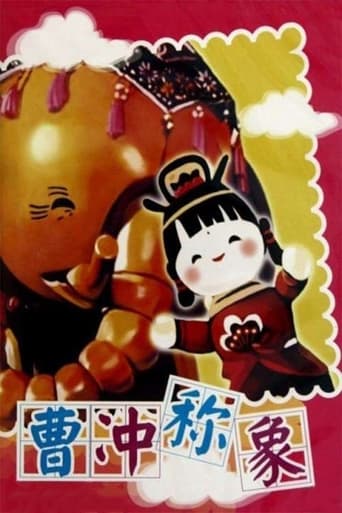
Many of the short films are fables for small children, each with a clear and kindly lesson. In Panda's Department Store a family of pandas open a shop and find the right goods for every animal customer. Little Panda Learns Carpenter is about patience and practice. Old Wolf Treat is a comic tale of a wolf whose dinner invitation hides a plan. Tiger Learn Skills retells the proverb of the cat who taught the tiger everything except how to climb a tree. The Monkey Fishing, Waiting For Tomorrow and Cao Chong Weighs an Elephant are in the same family; the last is the story, told to every Chinese schoolchild, of the small boy who worked out how to weigh an elephant with a boat and a heap of stones.
Others are for all ages. Taoist Priest of Mount Lao is a puppet film about a lazy man who climbs a holy mountain to learn magic and learns only enough to make a fool of himself. The Praying Mantis illustrates the saying about the mantis that stalks the cicada, unaware of the bird behind it. The New Door Bell is a small modern comedy by the much loved animator A Da, about a man so proud of his new bell that he waits all day for someone to ring it. Sun Moon Lake tells the legend of the lake in Taiwan. Together these films are the best possible introduction to what Chinese animation can be, and most of them last less than half an hour.
Donghua today
Modern Chinese animation for children is built around a handful of enormously popular families of characters, and several are represented here by their cinema films. The Seer films, Seer the Movie, Seer 2, Seer Movie 6: Invincible Puni and Seer Movie 7: Crazy Intelligence, grew out of an online game for children in which small robot explorers travel between planets and befriend the creatures they find. The Happy Little Submarine: Space Pals films follow a team of cheerful little submarines; there are three in the catalogue. I Love Wolffy 2 gives a film of his own to the hapless grey wolf from the best known of all Chinese cartoons, and Pleasant Goat and Big Big Wolf: Happy, Happy, Bang! Bang! is one of the many seasons of the series itself. The New Happy Dad and Son films, three of which are here, come from the long-running series about a small boy with a big head and his father with a small one.
GG Bond Movie:Ultimate Battle stars a pig with superpowers. Kung Food turns a steamed bun into a hero, and the Kung Fu Bunny shorts pit a cartoon rabbit against the very animator who is drawing him, in a mixture of animation and live action that became famous online. Legend of the Sea is an undersea adventure about a young dragon prince and a lost pearl. The King of Tibetan Antelope is set on the high plateau. The Wayward Kite follows a little kite that slips its string and sees the world, and Big Fish & Chinese Flowering Crabapple is the seven-minute film of 2004 from which the celebrated feature Big Fish and Begonia later grew.
The television series are just as varied. Luo Bao Bei is a bright, gentle series about a seven-year-old girl, her family and her animal friends, made with British partners and shown in many countries. Pet Hotel is a comedy about a dog, a guinea pig and two cats who run a boarding house for other animals. Weather Boy sends the son of a weatherman to a research station in the Alps. Flash & Dash and Galaxy Racers are about racing cars, Infinity Nado 6 about spinning tops, and Time-travelling Dinosaur Knights about exactly what its title promises.
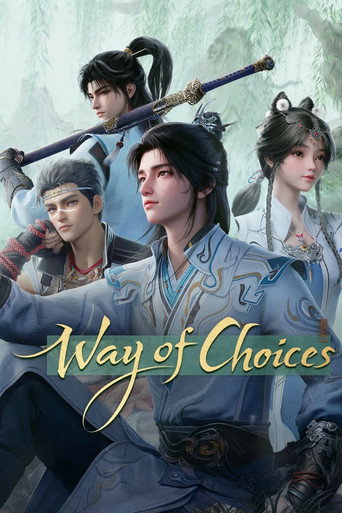
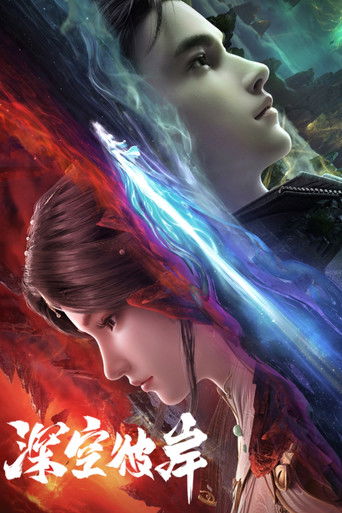
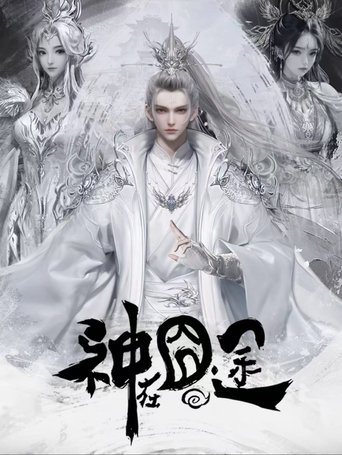
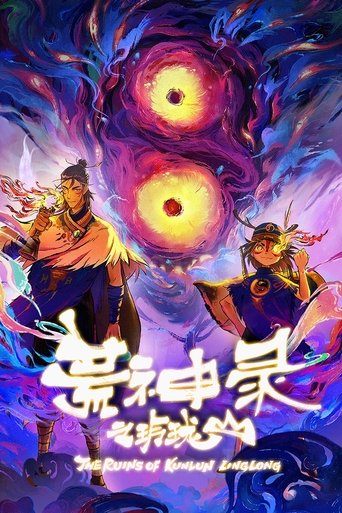
Older children and teenagers will find the series adapted from popular novels. Way of Choices and Fighter of the Destiny are two separate adaptations, eleven years apart, of the same much loved novel: a quiet young scholar arrives in the capital with a marriage contract in his pocket and a secret reason to study harder than anyone else, and enrols at a forgotten academy. Seeing the two side by side shows how far Chinese studios have travelled in a decade. Master of the Star Spring, Chief Spirit Master, The Ruins of Kunlun Linglong, Searching For The Immortals and The Other Side of Deep Space belong to the same broad family of fantasy, in which young heroes train, travel and discover hidden powers.
Others are closer to daily life. Left-Hand Layup! is a basketball series about a boy determined to win a place in the best school team in his region, and The Blistering Shot does the same for football. Xiangqi Master is about children who compete at Chinese chess. Lu's Time follows a group of friends who form a team in a famous online game. Re:STARS is about a university student with a fine voice and a fear of the stage. Cat's Tea, Dorm Zero, Salted Fish, Fool Cat and My ACG Parents are comedies, the last about a girl whose mother and father love cartoons rather more than she would wish.
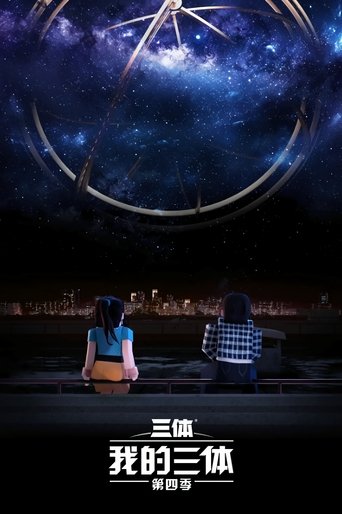
A few titles stand apart. The Three-Body Problem in Minecraft began as a fan project: a small team retold the most famous Chinese science-fiction novel of the century using the blocks of a building game, and did it so well that the series won an official blessing. Honkai Star Rail Animation gathers the short films made for a hugely popular game. Back to the Great Ming and Jinwu Guard: The Wind Rises in Jinling are costume stories of the Ming and Tang dynasties, and Eat Around the Mortal World follows a divine master who tumbles to earth and discovers the pleasures of ordinary cooking.
Anime films
Stormy Night is the best place to begin with the Japanese titles. On a night of thunder a young goat takes shelter in a dark hut. Another traveller is sheltering there too; they talk through the storm, become friends, and agree to meet the next day. In the morning light the goat discovers that his new friend is a wolf. The film, directed in 2005 by the veteran Gisaburo Sugii from a series of picture books that every Japanese child knows, follows the two as they keep their friendship secret from flock and pack, and it does so with humour, real suspense and great warmth.
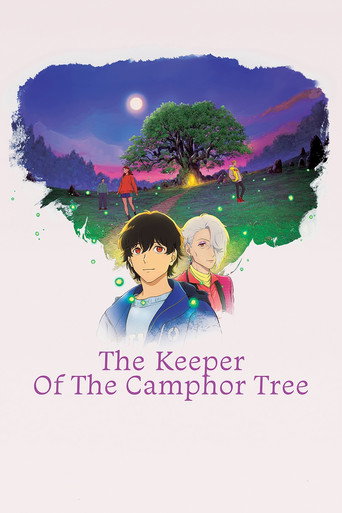
A Tree of Palme is a more unusual work, a fantasy of 2002 by Takashi Nakamura about a wooden puppet who was carved to care for a sick woman and who sets out across a strange world to deliver a precious object and, he hopes, to become human. It was shown at the Berlin festival, and its imagined plants and creatures are astonishing; it suits older children and adults. The Keeper of the Camphor Tree, new in 2026, adapts a novel by Keigo Higashino about a young man who is given the job of guarding an ancient tree at a shrine and slowly learns why people come to it at night.
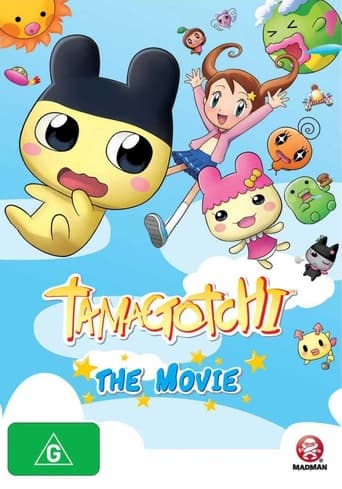
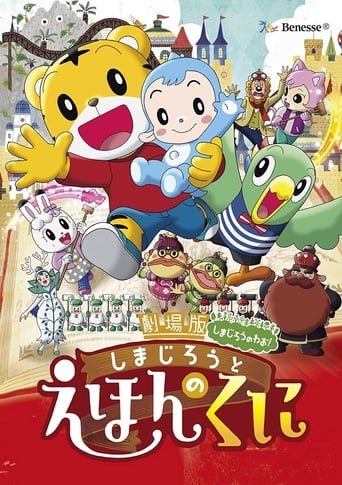
For small children there are Tamagotchi: The Movie, in which the little creatures of the famous toy welcome a human girl to their planet, and Shimajiro in Bookland, an adventure of the tiger cub whom Japanese toddlers have loved for more than thirty years. Atashin'chi the Movie is a family comedy from a popular newspaper strip: a bolt of lightning leaves a mother and her teenage daughter in each other's bodies on the eve of a school trip.
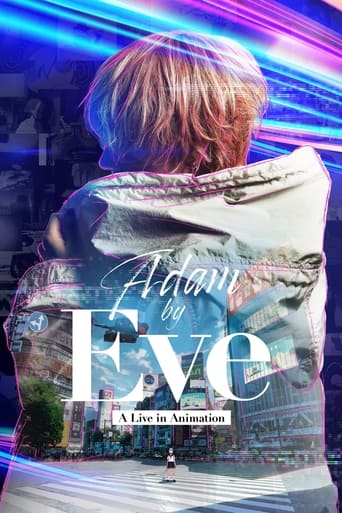
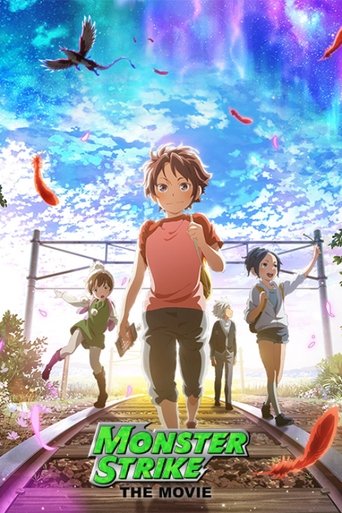
Several films are spun from long-running series. One Piece: Take Aim! The Pirate Baseball King is a five-minute comic short in which the pirate crew play baseball. Toriko the Movie: Secret Recipe of Gourmet God! sends the hungry hunter after a legendary ingredient. Monster Strike The Movie: To The Place of Beginnings comes from a hit game. Adam by Eve: A Live in Animation is something new, a concert film by the singer Eve in which animation, live action and music are woven into one dreamlike hour, and HOME! is a short piece of science fiction set on Mars.
Anime series
The Japanese series in the catalogue cover half a century. The oldest, Miracle Girl Limit-chan, was made in 1973, and is about a schoolgirl who was rebuilt by her scientist father and keeps her special abilities a secret from her classmates. Maeterlinck's Blue Bird: Tyltyl and Mytyl's Adventurous Journey turned the famous stage play into a serial in 1980, with characters designed by Leiji Matsumoto. Time Bokan Series: Gyakuten Ippatsuman and Space Emperor God Sigma show the comic and heroic sides of the robot cartoons of the early 1980s. Wonder Beat Scramble, supervised by Osamu Tezuka, sends a miniature ship through the human body and teaches a good deal of biology on the way. Sally the Witch 2 is the 1989 return of the very first magical-girl heroine, and Elves of the Forest is a gentle serial about Santa Claus and his neighbours in the woods of Finland.
Around the year 2000 came a group of series that deserve to be better known. Battle Doll: Angelic Layer is from a comic by the celebrated team CLAMP. Misaki, a small and determined girl of twelve, arrives in Tokyo, sees a game in which players guide dolls by thought alone in friendly contests on a table-top stage, and saves up for a doll of her own, whom she names Hikaru. The series is about courage, practice and friendship, and it won a major animation award in its year. Shinzo is an adventure in which a girl wakes from a long sleep and travels with three guardians to a holy city. Prétear reworks the tale of Snow White: a lively girl with a new stepfamily is asked by seven knights to become the heroine who restores life to the land. A Little Snow Fairy Sugar is set in a small town of timbered houses, where a careful, tidy girl named Saga finds a tiny apprentice fairy whom only she can see.
Stellvia of the Universe is school science fiction at its most hopeful: a girl enrols at a space academy as humanity prepares, together, for a great wave from a distant star. Ultra Maniac is a comedy of friendship between an admired schoolgirl and a clumsy young witch. Dragon Drive and Legendz: Tale of the Dragon Kings are adventures about children and dragons. The Daichis Earth's Defense Family is a parody in which a quarrelling family are appointed as the planet's defenders, and Shutsugeki! Machine Robo Rescue puts children in charge of rescue robots. Fairy Musketeers gives Red Riding Hood, Snow White and Briar Rose a quest of their own, and The Good Witch Of The West is a romantic fantasy about a girl from the far north who learns that she is of royal blood.
Recent anime
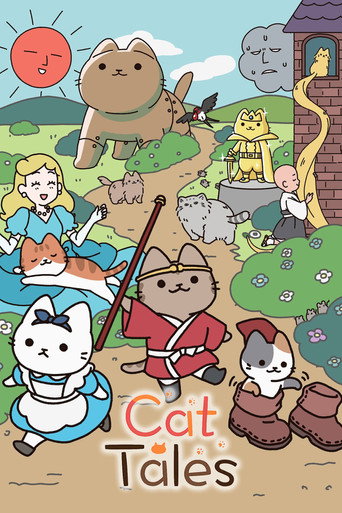
The newer Japanese series here are mostly light in tone. A good many are short-form comedies, with episodes of three to five minutes that can be enjoyed in a spare moment. Koupen-chan is a baby emperor penguin who praises everyone for the smallest achievement, getting out of bed included. Mitchiri Neko are round, soft cats who gather in heaps. Cat Tales retells folk stories from around the world and asks what would happen if a cat walked into each one. Oh, Suddenly Egyptian God turns the deities of ancient Egypt into small, idle, friendly cartoon figures. Squishy! Black Clover and Yuuki Yuuna is a Hero: Churutto! shrink the casts of well-known series into tiny comic versions of themselves, and Umayuru and Petit SEKAI do the same for two popular games. Kuromi's Pretty Journey gives a series of her own to the mischievous rival of a famous white rabbit.
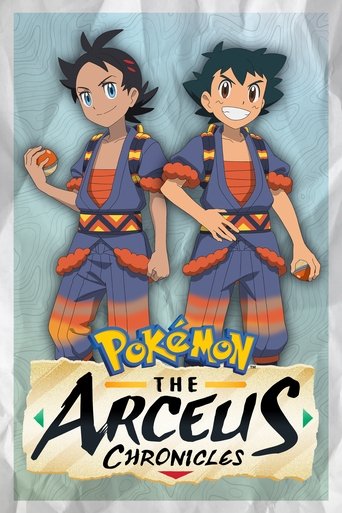
Series for children continue strongly. Pokémon: The Arceus Chronicles is a four-part special in which Ash, Goh and Dawn travel to the Sinnoh region for a festival and are drawn into an old legend. Digimon Adventure 20th Memorial Story is a set of short episodes made to mark the anniversary of the first series. Power of Hope ~Precure Full Bloom~ revisits the heroines of a much loved magical-girl series now that they are grown women with jobs and worries, and is the rare cartoon made for the children who watched fifteen years earlier. Zoids Wild is an adventure with mechanical animals, Bikkurimen a comedy about collectable stickers, and Genie Family 2020 the return of a classic about a genie who appears from a bottle when someone sneezes. Run for the Money: The Great Mission turns a popular television chasing game into a serial.
Card and game series form a group of their own: Duel Masters LOST, CARDFIGHT!! VANGUARD EXTRA STORY -if-, BUILD-DIVIDE, Zenonzard: The Animation, Oreca Battle and Fight League: Gear Gadget Generators all concern young players, friendly rivalry and tournaments. And there are two serious series about people who save lives. Firefighter Daigo: Rescuer in Orange follows three young recruits who hope to join the elite rescue squad, and the earlier series about an air rescue wing, listed in the Anime menu under the title that begins Yomigaeru Sora, is admired for its realism and its respect for the work.
Korean animation
The Korean list of 28 titles is the right place to look for viewers under ten. Its elder statesman is Dooly the Little Dinosaur. Dooly, a green baby dinosaur who was frozen in an iceberg and drifted down a river into modern Seoul, first appeared in a comic in 1983 and has been a national favourite ever since; he moves in with a grumbling office worker and his family, makes friends with an ostrich and an alien prince, and causes cheerful chaos. The series listed here is the new production of 2009.
Cocomong is set in a land inside a refrigerator, where the foods have come to life as animals: the hero is a monkey who was once a sausage, and his friends include a rabbit made of radish and a hippopotamus made of potato. It has been shown in dozens of countries, and it quietly encourages small children to eat their vegetables. Tayo and Little Wizards gives a new, magical setting to the friendly blue bus of a famous preschool series, and Fire Safety with ROY lets the fire engine from another famous rescue team teach children what to do in an emergency. My Friend Koriri, Chatty Toritori and Oops iKooo are for the same age.
For primary-school viewers there are the action series that fill Korean toy shops. Turning Mecard W, Turning Mecard R and Dino Mecard are about children who collect small cars that transform into creatures. Metal Cardbot, Miniforce X, Bugsbot Ignition, Monkart and Quantum Heroes Dinoster belong to the same lively tradition, and Taekwon Kid Typhoon Kang is about a boy who practises the national martial art. Animal Rescue and Teenie Scouts BigFive teach care for wildlife.
Flowering Heart is a magical-girl series about three friends who form a club to solve the problems of their schoolmates, and Rainbow Bubblegem sends seven mermaid princesses to a school on land. Hey Yo Yorang follows a fox librarian from the heavens who has mislaid a magic book on Earth. Time Traveler Luke finds a lift that travels through history. Space Jungle strands four very small aliens in a very large garden. BASTIONS, from 2023, is a superhero series whose theme songs were recorded by some of the best known Korean pop groups. And Winter Sonata is the animated version of the television drama that began the worldwide interest in Korean serials; the leading actors of the original returned to voice their roles.
Fantasy and adventure
Fantasy is the largest list on Asya Animeleri, with 108 titles, and Adventure follows with 83. The two overlap a great deal, because in all three countries the favourite adventure is a journey through a world of spirits, dragons and hidden powers.
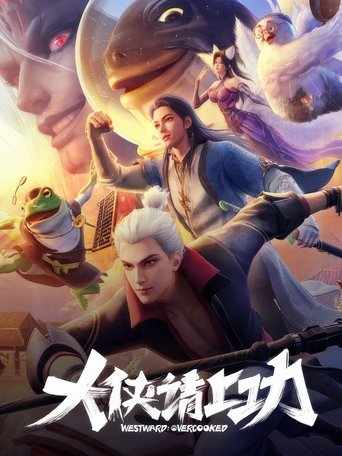
The Chinese fantasies draw on one of the richest storehouses of legend anywhere. The oldest source is Journey to the West, the sixteenth-century novel about the Monkey King, and it appears here in several forms: the two Shanghai films already described, the comic series Monkey,Monk and the Monsters Go West, the modern retelling Another Journey to the West, the workplace parody GoWest: Overworked, and Legend of the Golden Cudgel, which takes its name from the hero's famous staff. The creation stories return in Nuwa's Diary, and the old tale of dragons and the sea in The Lucky Dragon and Legend of the Sea.
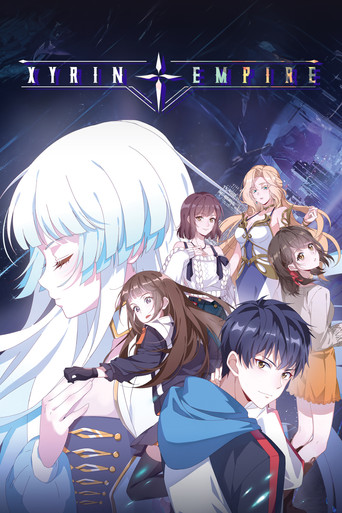
The newer fantasies are usually stories of cultivation, a Chinese idea with roots in Taoist practice, in which a hero trains mind and body through many stages towards wisdom and long life. In the gentler examples chosen here the emphasis falls on study, loyalty and friendship. Way of Choices is the most polished. Oriental Martial Academy is set at a school. Xyrin Empire mixes the form with comedy and science fiction, and Xuanyuan Xiaodou: The legend of mountains and rivers is aimed at younger viewers.
Japanese fantasy in the collection tends to the fairy tale. Prétear, A Little Snow Fairy Sugar and Fairy Musketeers have been mentioned. Bermuda Triangle ~ Colorful Pastorale is a peaceful series about five young mermaids in a quiet undersea village who reopen an old cinema. Magical Sisters LuluttoLilly and Sally the Witch 2 are magical-girl stories from opposite ends of the tradition. Desert Pirate! Captain Kuppa is a comic adventure across a world of sand, Legendz: Tale of the Dragon Kings brings four elemental dragons to New York, and Shinzo is a long road story with a great deal of heart.
Science fiction
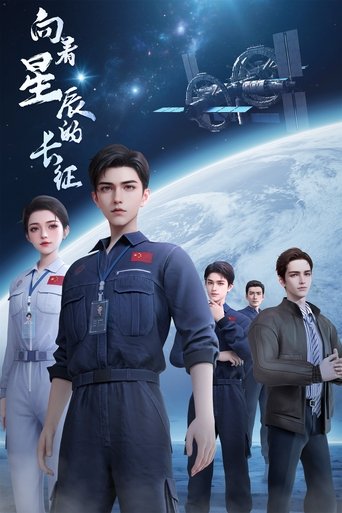
The Science fiction list has 34 titles. Space is the favourite setting. Stellvia of the Universe and Yat, The Space Patrol, a cheerful public-television serial about a boy who joins a space tour in search of his father, are the Japanese highlights; Space Emperor God Sigma represents the giant robots of an earlier age, and Kamen Rider Den-O: Imagin Anime is a set of comic shorts spun from a live-action hero series about a train that travels through time. From China come the Seer films, The Long March Toward the Universe, which tells the story of the national space programme for young viewers, and The Mechnimals and Mythic Beast Transformers, both about mechanical animals. From Korea come Z-Squad, Space Jungle and the Mecard series.
Two titles treat science more playfully. Marie & Gali is a Japanese series of five-minute episodes in which a girl in a black dress wanders into a town inhabited by the great scientists of history, each of whom explains a discovery in his own eccentric way. Inventor Boy Kanipan is about a boy who builds robots in a world where inventing is the most admired of all professions.
Comedy
Sixty-nine titles are listed under Comedy. Family comedy is strongest in Japan: Atashin'chi the Movie has been described, and Asari-chan, from 1982, is about a tomboy in the fourth year of primary school and her clever, bossy elder sister. Ultra B is about a baby with unusual powers, and Oyo Neko Bunyan about a fat, proud cat and the family he believes he owns. Coji-Coji, by the creator of one of the best loved of all Japanese comic strips, takes place in a fairy-tale land whose small hero has a single ambition, which is to go on being himself. Shounen Ashibe Go! Go! Goma-chan is about a boy and his pet baby seal, and Shiawase Apartment's Okojo-san about a small white stoat with a fierce temper who lives with a student.
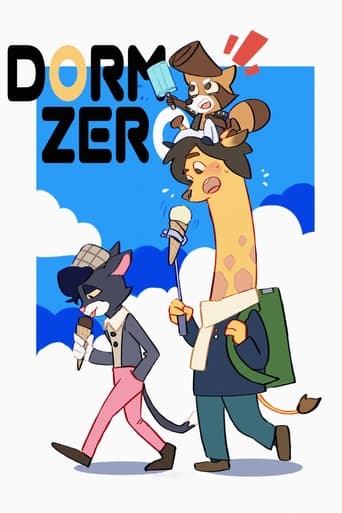
The Chinese comedies are quick and modern. Salted Fish has a preserved fish with a string of part-time jobs. Dorm Zero is set in a university for animals, in the one dormitory where nobody studies. Whimsical Wish takes a new graduate by cat to a world far beyond his imagining. Mr. Stone Feels Lonely is a parody of martial-arts stories, and Nailong's Fun Carnival stars the round yellow dragon whose face is known from countless online stickers.
Sport and games
Sport is a great subject for animation, because drawing can show what a camera can only suggest: the thought in an athlete's head, the slowed instant before a shot. Twenty-seven titles are listed here. Ginban Kaleidoscope is among the most original. A sharp-tongued Japanese figure skater with Olympic hopes finds that the spirit of a cheerful young Canadian stunt pilot has taken up residence in her head for a hundred days; he sees what she sees and feels what she feels, and the two of them, quarrelling all the way, learn to skate as one. Monkey Turn is about powerboat racing, a sport with a devoted following in Japan, and follows a former school baseball player through his training and first seasons. New Prince of Tennis OVA vs. Genius10 continues one of the best known of all sports series.
From China, Left-Hand Layup! and The Blistering Shot are wholehearted team stories, and Xiangqi Master and the Japanese card series show that a game played sitting down can be every bit as dramatic. Flash & Dash and Galaxy Racers are about miniature racing cars, and Infinity Nado 6 about duelling tops.
Music and the stage
A striking number of recent Japanese series are about performance, and the Music list holds 44 titles. Show by Rock!! Mashumairesh!! and Show by Rock!! Stars!! are set in a city where everyone plays in a band, and follow four girls with animal ears from their first rehearsal to a great festival. Tsukiuta. The Animation gives each month of the year a singer of its own. ACTORS: Songs Connection is set in a school singing club. Puchimas!: Petit Idolm@ster is a comedy in miniature about a talent agency, and GaruGaku follows students at an academy for performers.
Two series look to the classical stage. Kabukibu! is about a schoolboy who loves kabuki, the popular theatre of old Japan, and sets out to found a club and put on a play with classmates who are new to it. The World Is Dancing, new in 2026, imagines the boyhood of Zeami, the actor and playwright who shaped the Noh theatre six hundred years ago. Stella of the Theater: World Dai Star is set in a future where stage acting is the most admired of the arts. Utakoi is unlike anything else: each episode dramatises the love story behind one of the hundred classical poems that Japanese children still learn by heart for a New Year card game.
From China, Re:STARS is the story of a singer finding his confidence, and from Korea BASTIONS builds its episodes around songs. Music matters in the older films too. The Buffalo Boy and His Flute has a score for bamboo flute by a master of the instrument, and the Shanghai shorts in general were composed for as carefully as they were painted.
Animals
The Animals list, with 66 titles, is the one to open with small children. Cats lead the way: Cat Tales, Mitchiri Neko, Nmeneko, Cat God, Fool Cat, Cat's Tea and The Royal Cat, a costume adventure in which the bodyguard of an ancient general happens to be a cat. Pandas appear in the Shanghai fables, monkeys in the Journey to the West stories, and dinosaurs in Dooly the Little Dinosaur, Dino Mecard, Dear Tutu: The T-Rex In Operation and Time-travelling Dinosaur Knights. Stormy Night has its goat and wolf, Pleasant Goat and Big Big Wolf: Happy, Happy, Bang! Bang! its own more comical pair, and Kung Fu Bunny 3: Counterattack a rabbit with a mind of his own. Pet Hotel and Animal Rescue are about caring for animals, and The King of Tibetan Antelope about protecting them in the wild.
School stories
School is the natural home of animated storytelling in all three countries, and 31 titles are listed under it. The Japanese examples are usually built around a club. In Kabukibu! it is a theatre club, in ACTORS: Songs Connection a singing club, in Yuuki Yuuna is a Hero: Churutto! a club whose members simply try to be helpful. Ultra Maniac and Miracle Girl Limit-chan are about girls with a secret to keep from their classmates, and Let's Go Quintuplets! is about five brothers and sisters in the same primary-school class, each with a talent and a temper of their own.
The Chinese school stories lean towards sport and study. Left-Hand Layup! and The Blistering Shot take place in school teams, Xiangqi Master in a chess class, You're A Genius! among gifted pupils, and Oriental Martial Academy and Way of Choices in the academies of fantasy, where examinations are every bit as feared as in the real world. The Korean Flowering Heart and Rainbow Bubblegem are set in primary schools with a touch of magic.
For the youngest viewers
Sixty-five titles carry the Kids label, and parents looking for something calm and kind for a child under seven can begin there with confidence. The Korean preschool series are made with great care for that age: episodes are short, stories are simple, and each ends with a small lesson about sharing, safety or trying again. Cocomong, Tayo and Little Wizards, Fire Safety with ROY and My Friend Koriri are good first choices. From China, Luo Bao Bei and Pet Hotel have the same gentle spirit, Adventurer Carly adds a little exploring, and The Fairy Dream of Yelouli a little magic. The Happy Little Submarine and New Happy Dad and Son films are a pleasant length for a first trip to a cinema at home.
From Japan, Shimajiro in Bookland was made for toddlers and invites them to clap and call out with the characters. Koupen-chan is as soothing a cartoon as exists. Tamagotchi: The Movie and Kuromi's Pretty Journey suit children a little older. And the Shanghai fables, Panda's Department Store, Little Panda Learns Carpenter and Tiger Learn Skills among them, were made for exactly this audience half a century ago and have lost none of their charm; because they use so few words, they can be enjoyed in any language.
Watching with subtitles
Most titles here are offered by official services with English subtitles, and the larger services add Turkish, German, French, Spanish and Arabic for many of them. Children's series are frequently dubbed as well. A few practical notes may help. Chinese series are often listed by services under the romanised form of their original title, so if a search by the English name finds little, try the original title shown on the title page. Seasons of Chinese serials are sometimes counted differently from one service to another. And the short films of the Shanghai studio are increasingly available in restored editions on the official channels of the studio and of film archives, usually free of charge, so the free column on JustWatch is the first place to look for them.
Using Asya Animeleri
The page is arranged like the site it is named for. The dark header holds the logo and the search field. Under it, the blue bar carries the main menu: Home, Series, Movies, Donghua, Anime, Korean, the A to Z index and My List. The home page is built of boxes. Popular titles come first, then the latest additions, then donghua and films; on the right, a numbered list shows the highest-rated titles, and a Genres box opens each of the lists described in this guide. At the foot of every page a row of letters opens the titles that begin with each one.
Every title has a page of its own, with the poster, the name in English and in the original language, the year, the genres and the story. A series also shows its seasons and episodes. The Watch now button sits beside the poster. Choose your country, press the button, and JustWatch opens with the services that carry that title where you live: subscription services, shops for rental and purchase, and free services supported by advertising. Availability differs a good deal from one country to another, and some of the older and rarer titles are offered in only a few places, so it is worth trying a second country in the list if the first shows little.
My List keeps the titles you mean to watch. Press Add to My List on any title page and it is saved in your own browser; the My List link in the blue bar shows everything you have saved, and a button there stores the list as a small file that you can carry to another device. The list is private and asks for neither an account nor a password.
A first month
Here is one way to spend four weeks with the collection.
In the first week, watch the Shanghai classics. The Buffalo Boy and His Flute, Monkeys Catch the Moon, The Deer's Bell and The Snow Child together last little more than an hour, and they will change your idea of what a cartoon can look like.
In the second week, watch Stormy Night with the whole family, and then begin Battle Doll: Angelic Layer, a series of 26 episodes that rewards being followed an episode or two at a time.
In the third week, turn to the newer donghua. Try the first episodes of Way of Choices for fantasy, Left-Hand Layup! for sport, and The Three-Body Problem in Minecraft for something truly unexpected.
In the fourth week, let the youngest viewers choose from the Korean list: Dooly the Little Dinosaur, Cocomong or Tayo and Little Wizards. For yourself, end the month with Utakoi or Ginban Kaleidoscope, two series that show how wide the range of anime really is.
How the titles were chosen
Every title on Asya Animeleri was selected by a person and checked by hand. The starting point was the full record of animated films and series in Chinese, Japanese and Korean held by TMDB, limited to those with a poster, a still image and a written description. We set aside horror, stories of cruelty and anything aimed at adult audiences, and we left out the very long serials of several hundred episodes, which are better served by guides of their own. We then read the description of each remaining title, kept the ones a family could watch together, and looked a second time at any that raised a doubt.
The result has a character of its own. Of the 228 titles, 113 are Chinese, 87 Japanese and 28 Korean; 163 are series and 65 are films. Thirty-four were made before 2000, 40 between 2000 and 2009, 69 between 2010 and 2019, and 85 since 2020. Each appears on Asya Animeleri alone among our sites. Posters and descriptions come from TMDB, and the Watch now links are provided by JustWatch, which records where each title is officially available country by country.
Questions and answers
Questions
What is Asya Animeleri?
Asya Animeleri is a guide to 228 animated titles from China, Japan and Korea, chosen for the whole household. Each title page gives the story, year and genres, and a Watch now button that leads to the official services carrying the title in your country.
What is donghua?
Donghua is the Chinese word for animation. On Asya Animeleri it marks the 113 titles made in China, from the ink-wash films of the Shanghai studio to the newest streaming series.
Which title should I watch first?
Start with Stormy Night, The Snow Child or Battle Doll: Angelic Layer. The first-month plan in the guide suggests an order.
Is the catalogue suitable for families?
Yes. Every title was screened by hand, and the selection keeps to children's series, comedies, gentle fantasy, sport, music and classic short films.
Are the titles available with subtitles?
Most official services offer English subtitles, and many offer Turkish, German, French and other languages. The services listed for each title show what they provide.
What do the badges on the posters mean?
Donghua marks a title from China, Anime a title from Japan and Aeni a title from Korea. The label at the foot of the poster shows a film or the number of episodes.
How does My List work?
Press Add to My List on any title page. The list is kept by your own browser, free of charge, and the My List link in the blue bar opens it.
Does Asya Animeleri host episodes or downloads?
Asya Animeleri is a guide only. Every Watch now button leads to an official, licensed service.